
Innovations
Science in the service of the season
Our research programme exists to answer one question: which genetics give an African farmer the best chance of a harvest in a season we cannot predict?

Our approach
Local data beats imported assumptions
A hybrid that performs in a temperate trial network can fail in a Zambian sandveld season. All of our selection decisions are made on African trial data.
Molecular lab
Marker-assisted selection for drought and disease traits.
Seed quality science
Germination, vigour and purity testing on every lot.
Trial analytics
Multi-environment analysis of stability, not just mean yield.
Farmer feedback
On-farm evaluation before any commercial release.
Breeding pipeline
From nursery to certified bag
- 01
Germplasm and crossing
Breeders cross elite African parent lines with sources of drought, heat and disease tolerance in the nursery.
- 02
Marker-assisted selection
Molecular markers identify plants carrying target traits early, cutting up to two seasons from the cycle.
- 03
Multi-location trials
Candidates are tested across rainfall bands, altitudes and soil types at 40+ research and trial sites.
- 04
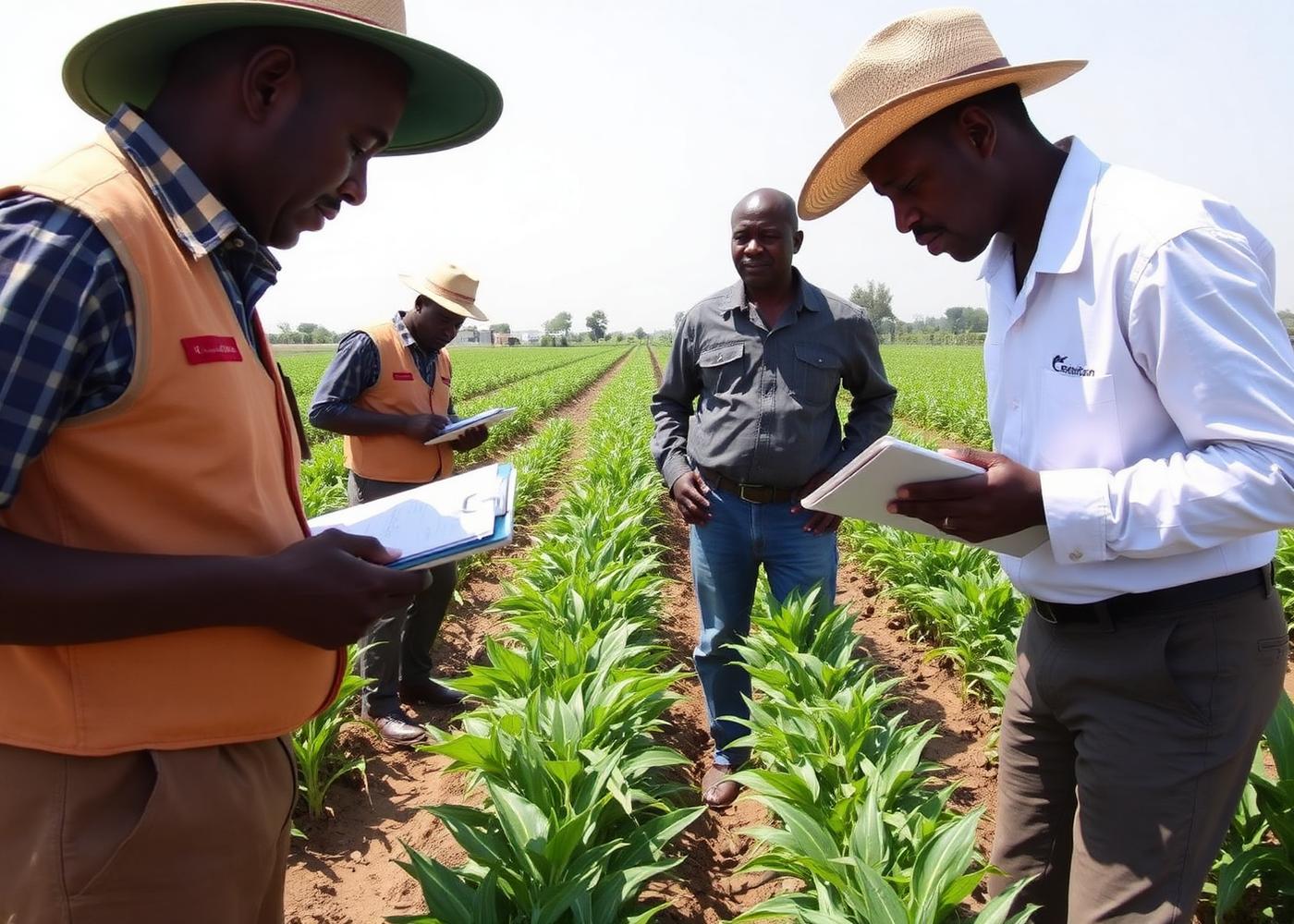
Farmer-participatory evaluation
Growers assess shortlisted candidates on their own fields and rate grain type, standability and yield.
- 05
Release and certification
National variety release, then certified seed production with lot-by-lot quality testing before bagging.
Research network
Where the work happens
Zimbabwe
Rattray Arnold Research Station
Group breeding hub with the molecular marker lab and maize nursery.
Zambia
Kabwe Research Site
Maize, soya and legume trialling across sandveld and clay soils.
Kenya
Nakuru Trial Network
Mid-altitude East African evaluation with streak-virus screening.