
Season advisory
El Niño Advisory 2026/27
A below-normal rainfall season is manageable with the right variety, the right planting date and disciplined moisture conservation. Here is what we recommend.

What it means for your field
Plan for a shorter, less reliable rainfall window
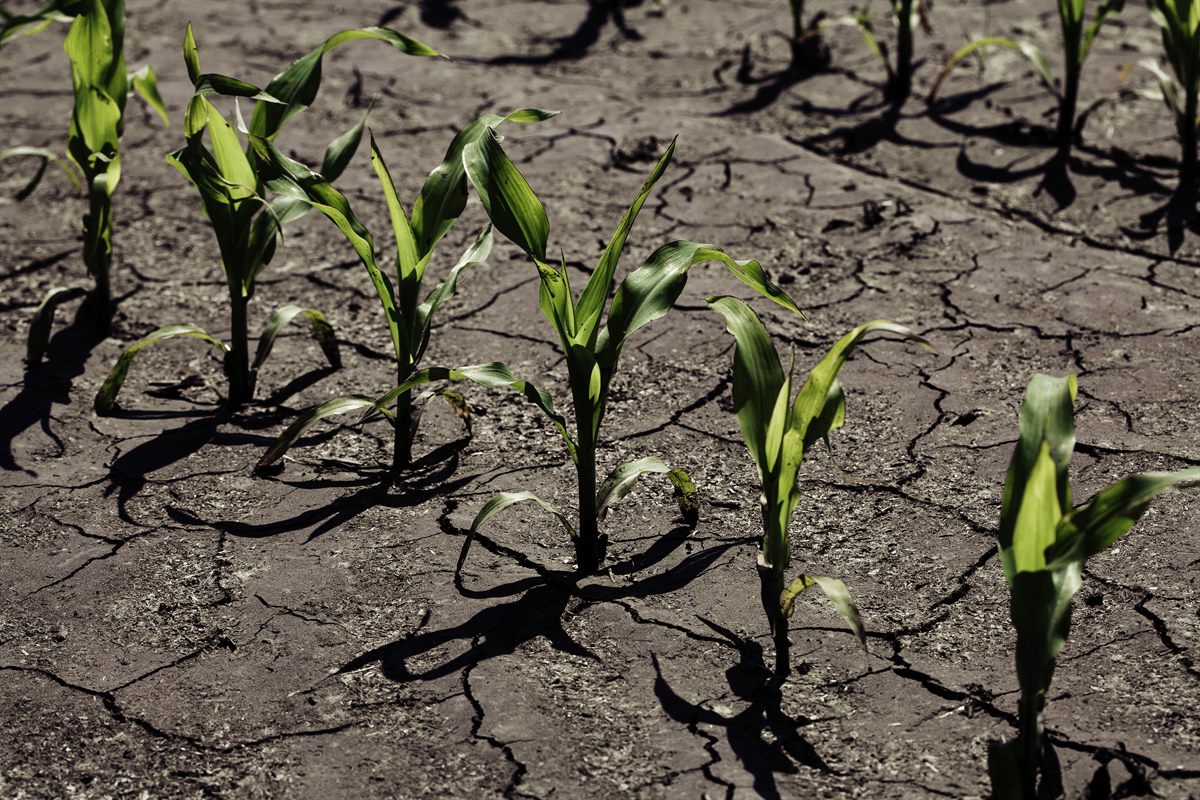
El Niño years typically shift the onset of rains later and increase the chance of mid-season dry spells. The single biggest lever a farmer controls is variety maturity length.
Adjust your planting window
Wait for at least 25 mm of effective rain before planting, and avoid planting long-season hybrids after the normal cut-off date. If you miss the window, switch to an ultra-early variety rather than planting late with a late line.
Conserve every millimetre
Basin planting, mulching with crop residue, contour ridging and reduced tillage all extend the number of days your crop can survive between rain events. Weed early | weeds compete for water before they compete for nutrients.
Spread your risk
Split your land between two maturity classes, and consider a sorghum or cowpea block as an insurance crop. Reduce seeding density slightly on sandy soils to lower total crop water demand.
Recommended now
Drought-resilient varieties by crop
Every variety below scored 4 or 5 out of 5 for drought tolerance in our trials.
Maize
SC Duma 43
115–125 days · 8–10 t/ha · drought 5/5
Ultra-early hybrid that escapes late-season dry spells | the safest choice for a short or uncertain window.
Maize
SC Serena 513
130–140 days · 10–12 t/ha · drought 4/5
Medium-maturing workhorse with strong stalk strength and good grey leaf spot tolerance.
Maize
SC Kanjeru 301
95–105 days · 6–8 t/ha · drought 5/5
Fastest cycle in the portfolio. Designed for very low rainfall and emergency replanting.
Maize
SC Nduna (white)
125–135 days · 9–11 t/ha · drought 4/5
Flinty white grain preferred by millers, with good ear cover against weather damage.
Wheat
SC Shamva Wheat
110–120 days · 4–6 t/ha · drought 4/5
Dryland-adapted wheat that holds yield when irrigation cycles are cut short.
Soya Bean
SC Serenade Soya
100–112 days · 2.5–3.5 t/ha · drought 4/5
Short-season soya that fits a late planting slot and fixes nitrogen for the next maize crop.
Sorghum
SC Gwiza Sorghum
100–115 days · 4–5 t/ha · drought 5/5
Exceptional drought recovery. A dependable grain crop where maize is marginal.
Sorghum
SC Macia Sorghum
110–120 days · 4.5–6 t/ha · drought 5/5
White grain type with good bird tolerance and steady performance in erratic rainfall.
Sugar Bean
SC Kabulangeti Select
75–85 days · 1.8–2.4 t/ha · drought 4/5
Very short season bean for filling a gap after a failed or delayed first planting.
Groundnuts
SC Nyanda Groundnut
120–135 days · 2.5–3.5 t/ha · drought 4/5
Spanish type with good shelling percentage and tolerance to mid-season dry spells.
Cowpeas
SC Tsotso Cowpea
65–80 days · 1.5–2 t/ha · drought 5/5
Dual-purpose grain and fodder crop that produces even in a badly truncated season.
Cowpeas
SC Chibage Cowpea
80–95 days · 1.8–2.4 t/ha · drought 4/5
Semi-erect habit that suits intercropping with cereals in the Sahel-adjacent belt.
Rice
SC Upland Rice 9
105–115 days · 3.5–5 t/ha · drought 4/5
Rainfed upland type that tolerates short dry breaks during vegetative growth.
Filtered tool
Variety Finder | drought filter applied
Refine by your region and planting window with the drought-resilient filter already switched on.
- Certified
SC Duma 43
Maize
- Maturity
- 115–125 days
- Yield potential
- 8–10 t/ha
- Drought tolerance
- 5/5
Why this variety: Ultra-early hybrid that escapes late-season dry spells | the safest choice for a short or uncertain window.
- Certified
SC Serena 513
Maize
- Maturity
- 130–140 days
- Yield potential
- 10–12 t/ha
- Drought tolerance
- 4/5
Why this variety: Medium-maturing workhorse with strong stalk strength and good grey leaf spot tolerance.
Early warning
Get drought alerts before you plant
Sign up for email and SMS advisories: rainfall onset updates, dry-spell warnings and variety switch recommendations for your region.